Sep 26, 2026Sensor & Safety Notes
Pet-Immune Sensors for Automatic Doors: How They Work and When to Use Them
Pet-immune sensors distinguish people from animals so a shop door does not open for every dog. How the detection works, where it fits, and when a standard sensor is still the better choice.
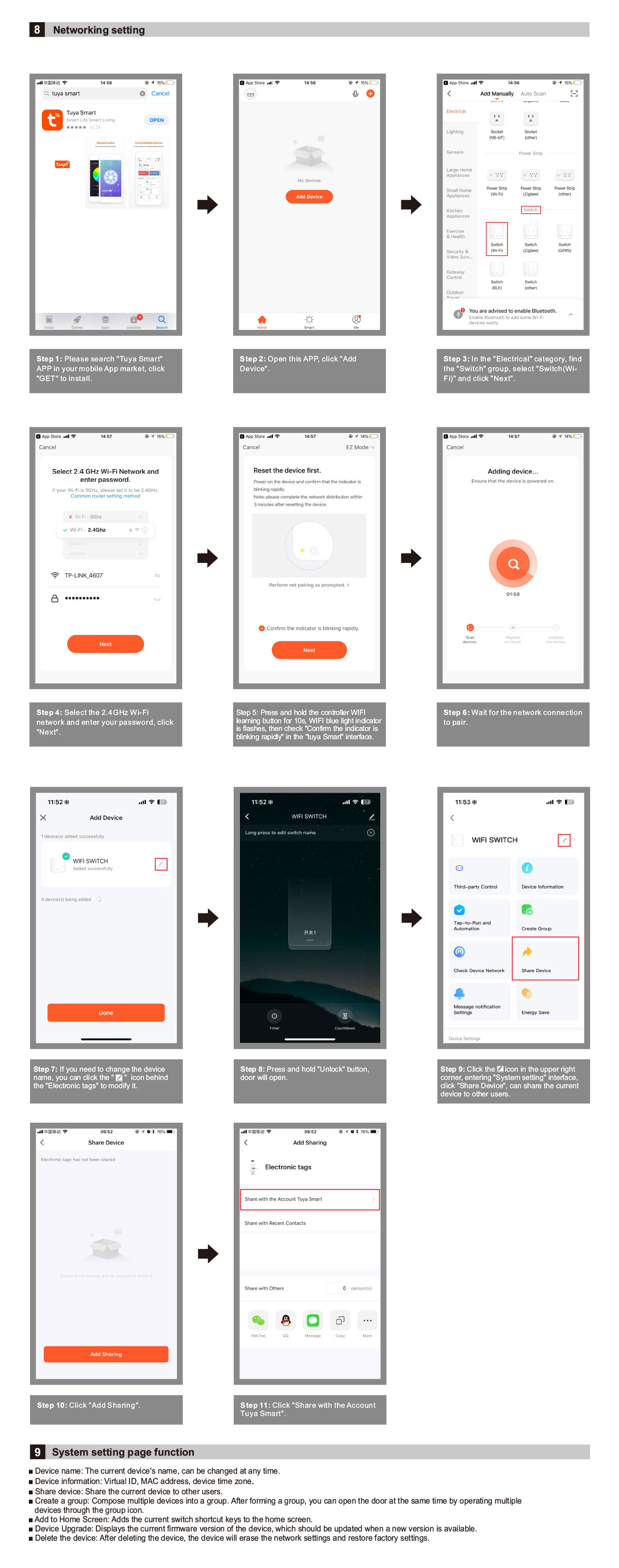
An entrance that opens for every passing dog, cat or bird is not just irritating; in a shop or restaurant it lets in cold air, leaves and street noise all day. Pet-immune sensing addresses exactly that problem: it is designed to detect people while ignoring smaller animals.
What pet-immune actually means
Pet-immune detection does not identify species. It uses a combination of detection patterns to distinguish a human-sized target from a smaller one, typically by requiring a certain size, mass or movement signature before the sensor triggers. A person walking through the field produces a target the sensor classifies as human; a cat passing at floor level typically does not.
Where it fits
Pet-immune sensing suits shop and restaurant entrances facing a pavement where animals pass, residential entrances with pets in the household, and any location where the activation sensor's field unavoidably covers a public footway. In these positions it removes most nuisance openings without changing the door's behaviour for real visitors.
Where a standard sensor is better
Busy commercial entrances with heavy footfall are usually better served by a standard sensor with a well-aimed, adjustable detection field. Pet immunity adds a filtering layer that costs a little response time, and in a high-traffic entrance the priority is opening quickly and consistently for people. Likewise, a dedicated escalator or safety application should use the sensor designed for that duty rather than a pet-immune variant.
Combining pet immunity with presence detection
Pet immunity applies to the activation side. Safety and presence detection should still cover the doorway fully, because a person who has become stationary inside the door area must be detected regardless of size filtering. Many entrances therefore pair a pet-immune activation sensor above the door with a separate presence sensor aimed at the threshold.
Settings and adjustment
Most pet-immune sensors expose a sensitivity or range adjustment. Aim the field so it covers the approach path rather than the whole pavement, and set the range to the depth actually needed. Over-wide fields are the most common cause of unwanted openings, immune sensing or not.
How the detection logic differs from a standard sensor
A standard activation sensor answers one question: is something moving in the field? A pet-immune sensor answers a more specific one: is something moving in the field that behaves like a person? The additional filtering is what removes nuisance openings, and it is also what makes the sensor's behaviour depend more heavily on correct aiming and sensitivity settings.
In practice this means a pet-immune sensor rewards a careful installation more than a standard one does. Set the field so it covers the approach path rather than the entire footway, use the sensitivity adjustment to match the target size the sensor is asked to distinguish, and re-test after any change to the mounting height, because the geometry the filtering relies on shifts with it.
The cost of false negatives
Any filtering introduces a trade-off worth naming. A sensor tuned to ignore animals is, by design, slightly less eager to trigger. In an entrance where people walk briskly and directly at the door this is invisible. In an entrance where people approach slowly, pause, or sidle towards the door, a heavily filtered sensor can feel sluggish, and the fix is usually adjustment rather than a different product.
The practical rule is to start with the default settings, then reduce filtering only as far as the nuisance problem requires. Tuning a sensor to ignore everything except a running adult solves the dog problem and creates a new one for everyone who walks normally.
Frequently asked questions
Will a pet-immune sensor still open for a small child?
It should. Pet immunity is designed to filter small animals, not small people; it relies on more than raw size, so a walking child should still be detected. Always test on site at the installation height you plan to use.
Can pet immunity be added to an existing sensor?
No. It is a property of the sensor model and its detection logic, not an accessory. If nuisance openings from animals are a problem, the sensor is the part that changes.
AURWEN supplies motion and presence sensors for automatic doors, including models suited to entrances where animals pass. Tell us the entrance position and the traffic you see, and we will suggest a sensor and an aiming strategy.