Sep 26, 2026Access Control Guides
Automatic Sliding Door Access Control: A Complete System Guide
Readers, credentials, controllers, electric locks, exit switches and safety sensors only work as a system. How the pieces of an automatic sliding door access control chain fit together.
An automatic sliding door with access control is not one device — it is a chain of devices that must agree with each other: a credential is presented, a reader and controller decide, an electric lock releases, the operator opens, people pass, and safety sensors keep the moving leaf away from them. Design the chain as a whole and the entrance feels seamless; design it as parts and you get doors that unlock but never open, or open but never secure.
The five links in the chain
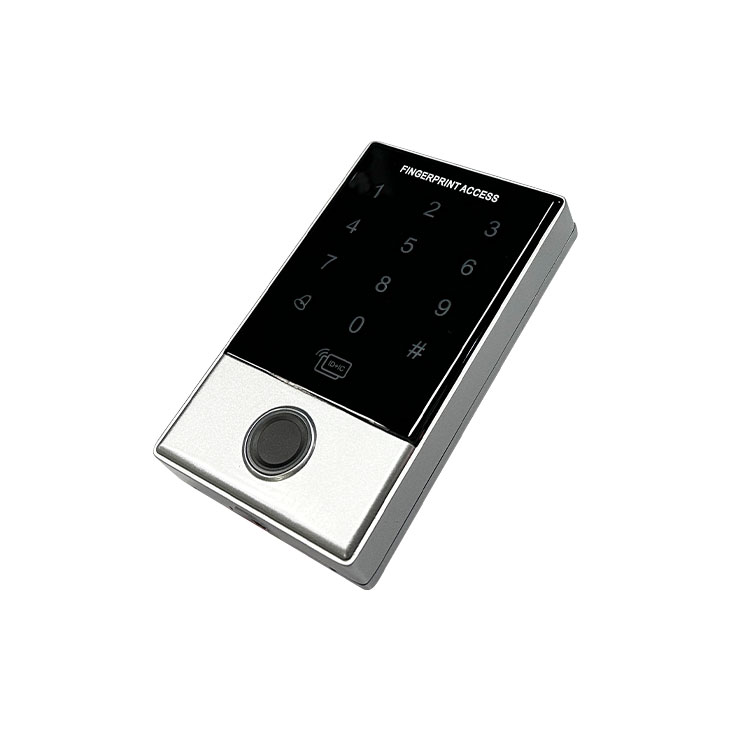
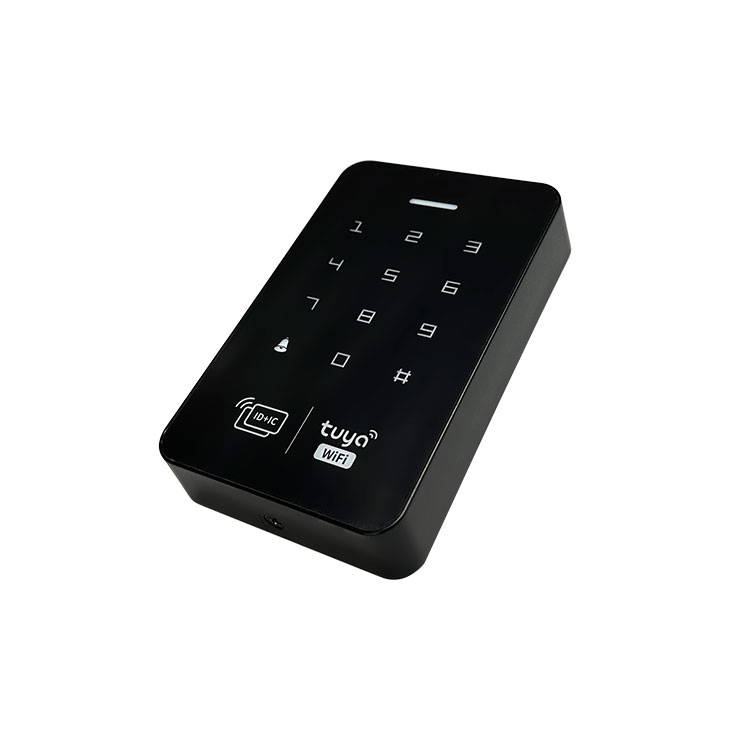
1. Credential and reader. Cards, keypads, fingerprint or face terminals identify the person. Outdoor gates need weatherproof, metal-housed units; interior doors can use slimmer panels.
2. Controller. The access controller applies the rules — who may enter, when — and outputs the release signal. Some compact installations use single-door controllers purpose-built for automatic doors.
3. Electric lock. Magnetic locks hold the sliding panel against forced opening; electric bolts lock the leaf edge. The lock must be released the moment the controller authorises entry, and it must fail in the right direction for the door's role (see fail-safe vs fail-secure below).
4. Operator. The automatic sliding door operator receives the release and opens. Operators provide a dedicated input for access release and another for exit devices.
5. Safety and presence. While the leaf moves, safety curtains and presence sensors protect people in the doorway. Access control must never inhibit the safety layer.
Entry and exit are different problems
Entry is controlled: credential, decision, release. Exit should be convenient and, in an emergency, free. Exit switches (touchless or press), or the door's activation sensor, let people out; fire-alarm interfaces and backup power decide what happens when mains fail. Locks on escape-route doors must release on alarm and on power failure — this is a regulatory matter as much as a technical one, so confirm the local rule before specifying the lock type.
Compatibility: the questions that prevent rework
Before ordering, confirm the lock voltage against the controller output, the operator's release input type (dry contact is common), and the power budget — locks and controllers draw more than a bare door. Wide-voltage devices (AC/DC 12–30 V) simplify the power design because everything can share one supply rail. Check that the reader's mounting suits the door frame material — metal frames affect some RFID read ranges.
Common failure patterns and how design avoids them
Door unlocks but does not open: the controller and operator inputs were never actually connected — the release must be wired to the operator, not just to the lock. Door opens for anyone: the lock was omitted and the operator input left permanently active. Door reopens constantly: a safety sensor field was positioned where queuing people stand. All three are design-stage mistakes, not product faults.
Frequently asked questions
Can I add access control to an existing automatic sliding door?
Usually yes. The operator needs a control input for release, space for a lock, and a route for reader cabling. Retrofit kits and wireless readers cover awkward facades.
Which lock is best for a sliding door?
Magnetic locks suit sliding leaves where the lock acts on the panel's travel; electric bolts suit leaf-edge locking. The choice follows the door geometry and the escape-route rules.
AURWEN supplies the access-control side of the chain — keypads, fingerprint and face terminals, magnetic locks, backup power and exit switches — matched to automatic door operators. Contact AURWEN with your door schedule and we will help you specify the chain end to end.