Sep 20, 2026Access Control Guides
How to Choose an Automatic Door Motion Sensor: A Practical Buying Guide
A practical guide to choosing an automatic door motion sensor: door type, microwave vs infrared, the five specs that matter, environment checks and the questions to ask a supplier before you buy.
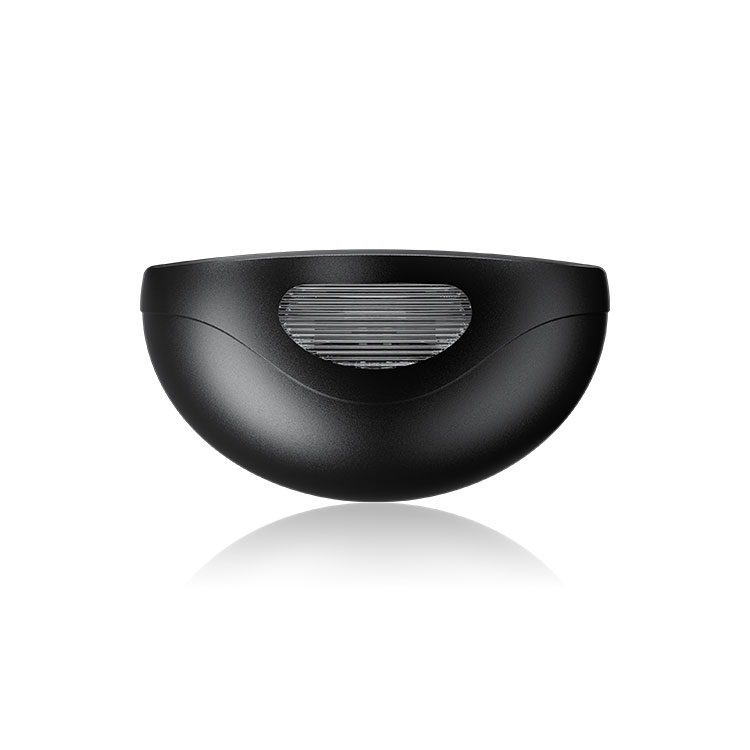
The motion sensor is the first thing an automatic door "sees". Choose the right one and the door opens exactly when it should, stays closed when nobody is there, and keeps people safe while the door leaf moves. Choose the wrong one and you get doors that open for passers-by all day, miss slow-moving visitors, or trigger in the rain.
This guide walks through the decisions that actually matter when you buy an automatic door motion sensor, whether you are fitting one sliding door or specifying sensors for a whole building.
Start with the door type and how people approach it
Activation sensors are always matched to the door. A sliding door at a shop entrance sees people walking straight towards it; a swing door beside a wall may only see people approaching from one side; a revolving door needs presence detection rather than simple activation.
Write down three things before comparing products: the door type (sliding, swing, telescopic or revolving), the mounting height available above the door, and how people move towards the entrance. A narrow pavement in front of a shop, for example, is a classic reason to pick a sensor with an adjustable or narrow detection field so it does not open for every pedestrian on the street.
Microwave, infrared, or both
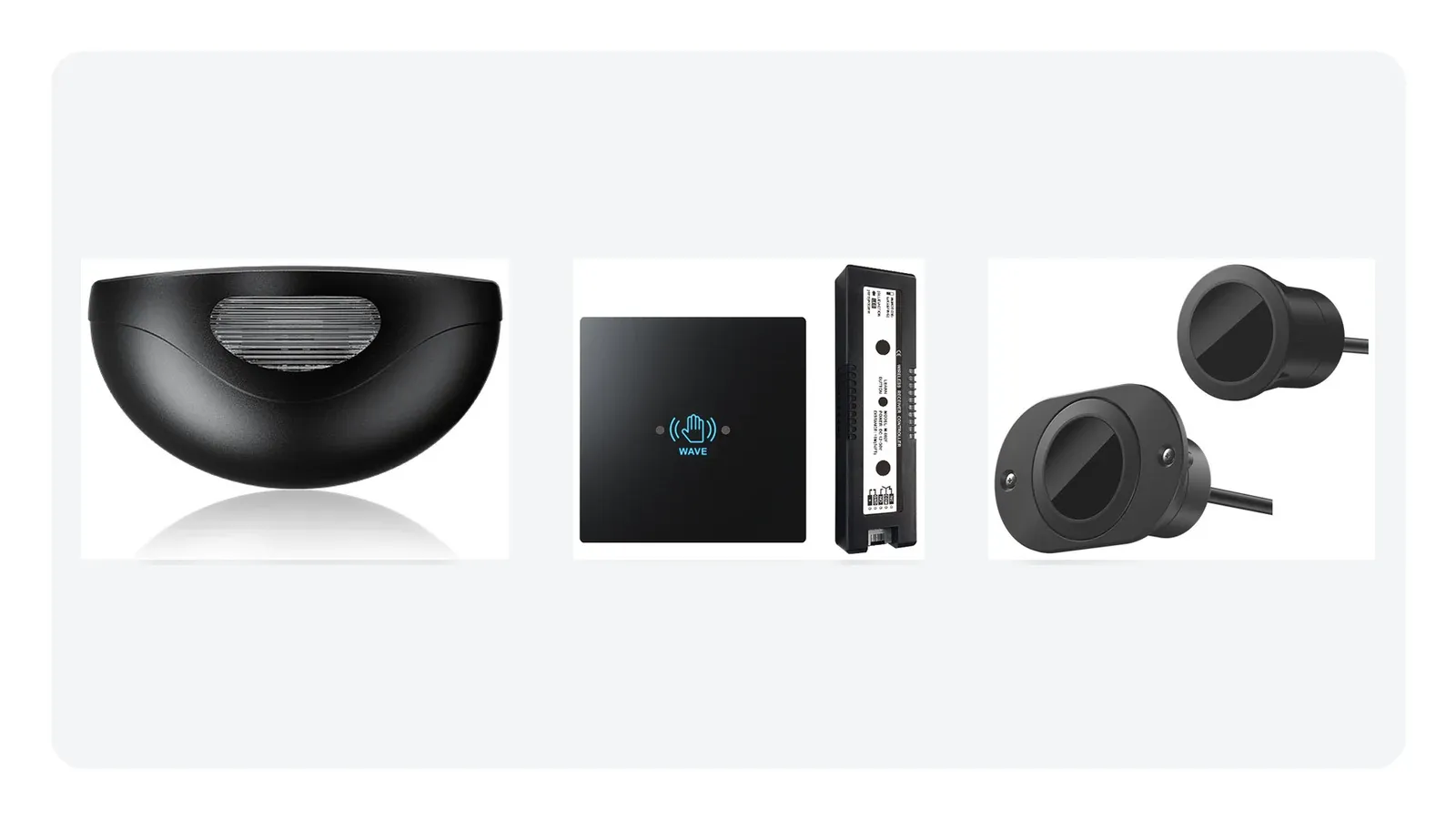
Most automatic door activation sensors use microwave technology. A microwave sensor, typically working at 24.125 GHz, detects movement by Doppler shift and responds quickly to people walking towards the door. Microwave detection is largely unaffected by temperature and humidity, which makes it a dependable choice for outdoor entrances.
Active infrared sensors use modulated infrared light beams to detect people, including people who are standing still. That is why infrared is the technology behind presence detection and safety protection. Many modern entrances combine both: a dual-technology sensor uses microwave for activation and an active infrared curtain for presence, so the door opens for approaching people and will not close on somebody standing in the doorway.
The five specifications that matter most
Datasheets are long, but five numbers decide most purchases:
1. Maximum mounting height. Common microwave sensors are specified for installation heights up to around 3,000 to 4,000 mm, and some models can be customised for higher doors. Match this to your door header.
2. Detection area. Manufacturers specify the field at a reference height, for example 4 m wide by 3 m deep at a 2.8 m mounting height. A wider field opens the door earlier; an adjustable field keeps the door from triggering on street traffic.
3. Detection mode. Motion-only, unidirectional motion, or motion plus presence. Unidirectional sensors detect people approaching and ignore people leaving, which reduces useless openings on high-speed doors and escalators.
4. Output contact. Nearly all sensors switch a relay contact, normally open or normally closed, with a small contact rating such as 120 mA at 60 V. Confirm the wiring matches your door operator input.
5. Power supply. Most sensors run from AC/DC 12–30 V taken from the door operator. Check this against the operator's available output before ordering.
Check the environment, not just the door
Outdoor entrances face rain, snow, blowing leaves and traffic moving past the detection field. Ask how the sensor handles background adaptation and interference. Typical operating temperature ranges of −20 °C to +55 °C cover most installations, but cold-storage and freezer doors need sensors rated for lower temperatures. Strong fluorescent light or certain LED fittings can disturb infrared detection, so entrance lighting is worth checking too.
Adjustability saves service calls
Two adjustment features pay for themselves over the life of the door: detection-field width adjustment (through DIP switches or angle adjustment of the sensor head) and sensitivity adjustment. They let the installer tune the sensor to the actual site instead of living with defaults, and they make later changes easy when shopfronts or pavements are modified.
Questions to ask a supplier before ordering
Ask whether the sensor is compatible with your door operator's input, whether the detection field is adjustable at the site, what happens with stationary people (activation only, or presence detection), what the supplier's warranty and spare-parts support look like, and whether OEM or custom parameter options are available if you are buying in volume.
Frequently asked questions
How high can I mount a motion sensor?
It depends on the model. Many microwave sensors are rated for mounting heights of 3,000 to 4,000 mm, and some support higher installations with custom settings. Always check the datasheet's maximum mounting height rather than assuming.
Can one sensor do both activation and safety?
Yes, if it is a dual-technology sensor with microwave activation and an active infrared presence curtain. On busy public entrances this combination is common because the door still needs a separate safety presence function.
Do sensors need maintenance?
Very little: keep the lens clean, re-check the detection field after any facade change, and recalibrate sensitivity seasonally if the entrance faces weather. A short inspection once or twice a year is usually enough.
AURWEN supplies a full range of microwave, infrared and dual-technology motion sensors for sliding, swing and revolving doors, with adjustable fields and operator-compatible outputs. Tell us your door type and mounting height and we will recommend a suitable model — contact AURWEN for a quotation.