Sep 26, 2026Access Control Guides
Magnetic Locks vs Electric Bolts for Automatic Doors: Selection Guide
Magnetic locks and electric bolts secure automatic doors in different ways. Holding force, mounting geometry, fail behaviour and power — how to choose between them per door.
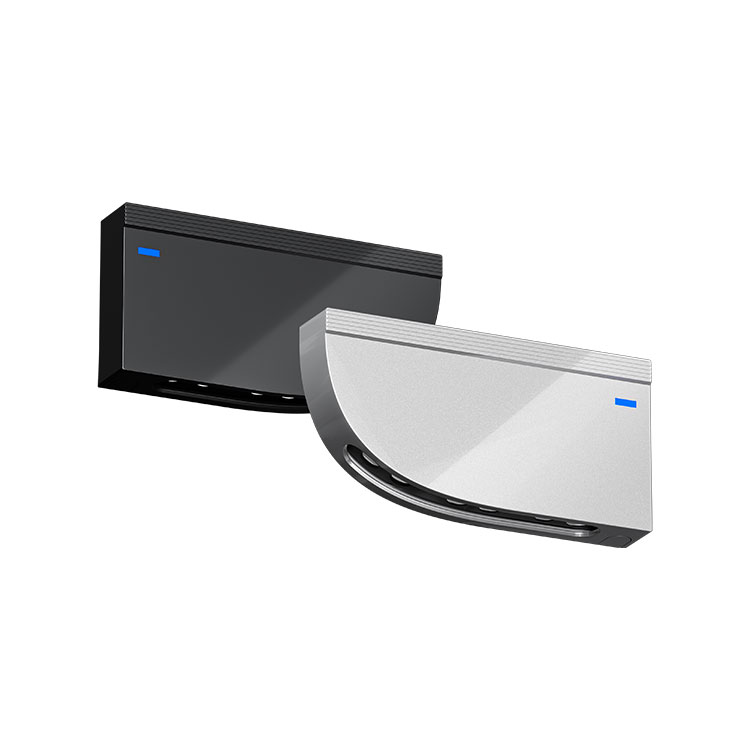
Electric locks are what turn an automatic door from a convenience into a controlled entrance. The two workhorses are electromagnetic locks (maglocks) and electric bolts. They solve the same problem — hold the door until a controller releases it — but their mechanics, mounting and failure behaviour differ in ways that matter per door.
How magnetic locks work
A magnetic lock pairs a powerful electromagnet on the frame with an armature plate on the door leaf. Energised, it holds the leaf with significant force; de-energised, it releases instantly. There is no moving mechanism to jam, installation is straightforward, and holding force is constant — which is why maglocks are the default on sliding automatic doors, where the lock can act directly on the panel's travel path.
The trade-offs: a maglock needs continuous power to stay locked (it is inherently fail-safe), and its holding force depends on clean, flush contact between magnet and armature.
How electric bolts work
An electric bolt throws a pin or bolt into a keeper — typically locking the leaf edge or the top of the door. It can hold the door with power applied or, in fail-secure variants, stay locked without power. Bolts suit swing doors and leaf-edge locking where a frame-mounted magnet is not practical, and bolt shelves exist to mount them neatly on automatic door headers.
The trade-offs: more moving parts than a maglock, alignment between bolt and keeper is critical, and the striking sound on each cycle is a consideration in quiet interiors.
Choosing per door
Sliding automatic doors: magnetic locks dominate, because the panel travel allows a frame-mounted magnet and armature in perfect alignment. Multi-function EM-locks add status signalling and longer armature options for heavier doors. Swing doors and leaf-edge locking: electric bolts or mortise locks. Glass doors without frames: specialised mountings exist for both families — check the door construction before ordering.
Power and fail behaviour
Because maglocks release on power loss, escape-route doors pair naturally with backup power supplies and fire-alarm release interfaces — the system must release the door on alarm even while mains power is present, and keep it releasable during the outage. Fail-secure bolts behave differently: they stay locked without power, which suits high-security non-escape doors but is usually wrong for public escape routes. Confirm the door's role in the evacuation plan before choosing.
Practical specification checklist
Confirm: door type and geometry (sliding, swing, glass); required holding force for the door's size and wind exposure; continuous power availability and supply voltage (wide-range AC/DC 12–30 V inputs simplify things); whether status feedback (locked/unlocked signalling) is needed; and the mounting surface — aluminium headers, glass and stone each need the right bracket.
Frequently asked questions
Do magnetic locks weaken over time?
The electromagnet itself does not, but dirt, paint or misalignment between magnet and armature reduces real holding force noticeably — include the gap check in periodic maintenance.
Can a maglock and door sensor share one power supply?
Usually yes with a correctly sized supply; locks draw meaningful current, so total the loads of lock, operator controls and access devices against the supply's rating.
AURWEN manufactures magnetic locks and multifunction EM-locks for automatic sliding and swing doors, plus electric bolt shelves and backup power units. Contact AURWEN with your door type and we will suggest the locking arrangement.